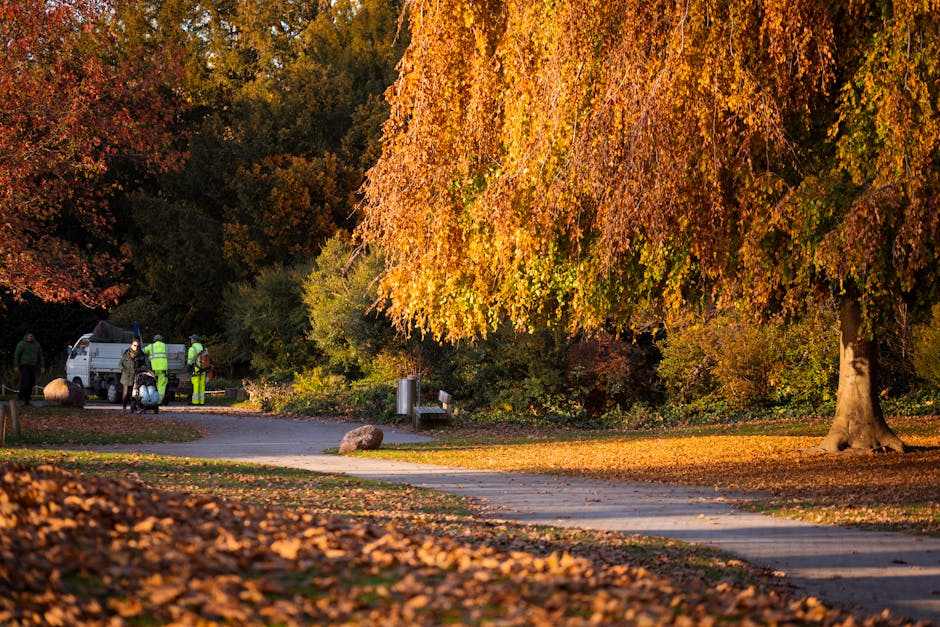
Thamesmead Estate Gardeners Cheap or Pro Options Abbey Wood
If you are comparing Thamesmead estate gardeners cheap or pro options Abbey Wood, you are probably trying to solve a very ordinary but surprisingly tricky problem: how do you keep an estate garden tidy, safe, and presentable without overspending or hiring the wrong kind of help? In Thamesmead and nearby Abbey Wood, gardens can be small, shared, awkwardly shaped, or simply left to get out of hand after a wet few weeks. That means the right gardener is not always the cheapest one, and the most professional option is not always overkill either.
This guide breaks down what estate gardeners do, when a budget service makes sense, when a more professional service is worth paying for, and how to judge the difference without getting lost in jargon. We will also look at maintenance routines, clearance, hedge work, lawn care, and the small details that make a garden look cared for instead of merely cut back. Truth be told, that distinction matters more than people think.
For readers who want a wider view of what is available, the site's services overview is a useful starting point, and you can also review pricing and quotes if cost is the main question on your mind.
Why Thamesmead estate gardeners cheap or pro options Abbey Wood Matters
Estate gardens are not the same as a neat little front lawn behind a terraced house. In Thamesmead, you often see shared communal spaces, wider verges, boundary hedges, and planted areas that need regular attention to stay usable. One missed visit can be enough for grass to look shaggy, weeds to creep in, and paths to start looking half-forgotten. We have all seen that happen. A place can go from "managed" to "why does this look abandoned?" in a couple of weeks.
That is why the cheap-versus-pro decision matters. A cheaper gardener might be ideal for routine mowing, light hedge trims, and straightforward tidy-ups. A more professional service can be the better call when the site needs consistency, insurance awareness, better equipment, or a broader maintenance plan. If a job involves repeated access, resident-facing work, or waste removal, the quality gap becomes obvious pretty quickly.
In practical terms, the real question is not "which is best?" It is "which is best for this site, this season, and this budget?" That question alone usually saves people from making a rushed decision.
How Thamesmead estate gardeners cheap or pro options Abbey Wood Works
Most estate gardening jobs in Abbey Wood and Thamesmead follow a fairly simple pattern. A gardener assesses the space, looks at the main tasks, and decides whether it is a one-off clearance, a seasonal tidy-up, or a regular maintenance schedule. From there, the choice between a cheap option and a pro option usually comes down to scope, equipment, and consistency.
A cheaper service often focuses on the basics:
- grass cutting and edging
- leaf clearance
- light pruning
- simple hedge trimming
- general tidy-up work
A more professional service may include a broader approach, such as planning repeat visits, handling overgrown areas, removing green waste responsibly, advising on planting structure, and coordinating work so communal areas stay presentable throughout the year. If you need a deeper refresh, services like garden clearance or garden maintenance become especially relevant.
The main operational difference is reliability. Cheap can be fine if the task is simple and the gardener is experienced, but pro service is usually better where the work affects residents, access routes, or the overall impression of a block or estate. In other words, the job is not just about cutting things down. It is about keeping the place coherent.
Key Benefits and Practical Advantages
Choosing the right estate gardener can bring several benefits, and they are not all about appearance. Yes, a trimmed lawn looks better. But the day-to-day advantages are often more useful than the visual ones.
- Better first impressions: A tidy estate feels cared for, which matters for residents and visitors alike.
- Safer walkways: Regular clearance reduces the chance of paths being cluttered by cuttings, weeds, or low growth.
- Less long-term damage: Overgrown hedges and neglected lawns often cost more to sort out later.
- More predictable upkeep: A maintenance plan stops the cycle of "tidy it once, then let it slide."
- Better value over time: Pro work can look dearer at first, but repeated problems usually cost more in the end.
There is also a practical comfort in knowing the work is being done properly. If an estate has a mix of lawn edges, shrubs, shared borders, and the odd stubborn patch that seems to grow twice as fast as everything else, a pro gardener will usually spot what needs attention before it turns into a bigger job. That kind of judgement is worth something.
And if the garden includes structural features like timber borders, decking, or built landscaping, it can help to have a provider that also understands services such as decking services and landscaping, because the edges between garden care and hard landscaping often blur.
Who This Is For and When It Makes Sense
This topic is relevant to more people than you might expect. Estate gardening is not just for housing associations or large managing agents. It also matters to leaseholders, resident committees, landlords, caretakers, block managers, and anyone responsible for a shared outdoor space in or around Abbey Wood.
You will usually want a cheaper option when:
- the garden is small or straightforward
- the work is mostly mowing and tidying
- you need a one-off visit rather than a contract
- budget is tight and the site is easy to access
You will usually want a pro option when:
- the site is larger or more complex
- access must be managed carefully
- waste removal is part of the task
- hedges, shrubs, or trees need regular control
- you need consistent standards across multiple visits
One real-world example: a resident group may call for a low-cost tidy-up in spring, then later realise the same site needs monthly maintenance to stop the shrubs swallowing the footpath. That is when the "cheap" option stops being cheap, because the job keeps bouncing back. Not ideal.
Step-by-Step Guidance
If you are trying to choose between cheap and pro estate gardeners in Thamesmead or Abbey Wood, a simple step-by-step approach works best. No drama, no guesswork.
- Walk the site properly. Look at grass length, hedge growth, weeds, access points, and any signs of neglected corners.
- List the actual tasks. Separate mowing, trimming, clearance, waste removal, and any soft landscaping needs.
- Decide whether this is one-off or recurring. One-off jobs often suit budget services, while repeat sites usually need structure.
- Ask what is included. Cheap quotes can be fine, but make sure you know whether waste removal, edging, or cleanup is extra.
- Check the equipment and approach. Good tools do not guarantee good work, but poor tools often guarantee slower, messier work. Funny how that happens.
- Review insurance and safety awareness. This matters more on estates than in isolated domestic gardens.
- Compare like for like. If one quote includes a full tidy and another only includes mowing, those are not the same service.
- Choose for fit, not just price. The best value is the service that keeps the site under control with the least hassle.
If you are still unsure after that, speak to a provider who can explain the difference between routine mowing, targeted clearance, and longer-term maintenance. The website's lawn mowing page is a helpful reference if turf care is the main issue, while hedge trimming is relevant where the estate's boundaries and sightlines need attention.
Expert Tips for Better Results
After a lot of site visits, the same few lessons come up again and again. Nothing fancy. Just practical things that save time and improve the finish.
- Do not let hedges get out of hand. Light, regular trimming is easier and cheaper than rescuing a wall of growth later.
- Separate clean-up from cutting. A site can look "done" after mowing, but clippings left on paths or borders undermine the finish.
- Use seasonal thinking. Spring and early summer often need growth control, while autumn is more about leaf management and clearing.
- Think about residents first. Noise, access, and timings matter on estates where people are coming and going all day.
- Keep a simple maintenance rhythm. Even a modest plan is better than reacting only when everything looks rough.
Here is a small but useful clarification: "cheap" does not have to mean careless, and "pro" does not have to mean expensive beyond reason. The smart move is finding someone who knows which corners need more attention, which areas can be tackled quickly, and how to leave the site neat rather than merely shorter. That little difference makes a big difference.
For larger or more overgrown sites, combining garden clearance with ongoing garden maintenance can give a much better result than treating the issue as a one-off rescue every few months.
Common Mistakes to Avoid
People often choose the wrong gardener for the wrong reason. Usually it is one of these.
- Choosing on price alone. A low quote can look great until you realise cleanup, waste removal, or return visits are not included.
- Not defining the job clearly. "Tidy the estate" means different things to different people. Be specific.
- Ignoring access issues. Gated entrances, parking limits, and resident traffic can affect how work is planned.
- Leaving hedges and shrubs too long between cuts. Once things become overgrown, the cost and time usually rise.
- Forgetting about the finish. Good gardening is not just cutting. It is sweeping, clearing, and leaving the area ready to use.
Another mistake is assuming all green jobs are the same. They are not. A site with broken soil structure, neglected edges, and bramble growth needs a different approach from a neat communal lawn that just needs a regular pass. If tree work is part of the picture, the separate tree lopping and removal service may be more appropriate than trying to fold everything into one basic visit.
Tools, Resources and Recommendations
The right tools make estate gardening more efficient, but the bigger win is matching the tool to the task. A mower is not a miracle worker, despite what some people seem to hope on a damp Monday morning.
Useful practical resources and service areas to consider include:
- Regular mowing: for communal lawns, verges, and open grassed areas
- Hedge trimming: for boundaries, sightlines, and privacy planting
- Garden clearance: for overgrowth, debris, and neglected patches
- Landscape gardening: when a space needs structure, not just maintenance
- Recycling awareness: for greener waste handling and tidier removal routines
You may also find it useful to review the provider's approach to recycling and sustainability, especially if your estate produces a fair amount of green waste during seasonal cuts. And if you want to understand how the company works more generally, about us can help you judge whether their tone, process, and service ethos feel like a fit.
For budgeting, start with the site's pricing and quotes information and ask for a clear breakdown. Simple question, but one that saves a lot of awkward surprises.
Law, Compliance, Standards and Best Practice
Estate gardening in London is usually straightforward, but good practice still matters. If you are responsible for a communal or managed site, you need to think about safety, access, waste handling, and how the work affects residents. That does not mean turning everything into paperwork theatre. It just means being sensible.
In everyday terms, best practice usually includes:
- using suitable equipment in good condition
- keeping paths reasonably clear during and after work
- managing waste responsibly
- avoiding unnecessary disruption to residents
- making sure work is proportionate to the site and conditions
Where a provider handles higher-risk tasks or works around tight communal access, insurance and safety awareness become especially important. You can review the company's stance on insurance and safety and their health and safety policy to understand how they frame those responsibilities.
It is also sensible to check the service terms before booking, particularly if you want clarity on cancellations, access arrangements, or what happens if the site is more overgrown than expected. The terms and conditions page is useful for that kind of check.
In short: for estate gardens, professionalism is not about fancy language. It is about safe, consistent work that leaves no messy loose ends. Simple enough, but not always simple in practice.
Options, Methods, or Comparison Table
Here is a practical comparison of cheap and pro options for estate gardening in Thamesmead and Abbey Wood. The right choice depends on the site, frequency, and how polished you want the result to feel.
| Option | Best for | Strengths | Trade-offs |
|---|---|---|---|
| Cheap one-off gardener | Simple tidy-ups, light mowing, small budgets | Lower upfront cost, quick turnaround | May be limited on cleanup, detail, or repeat scheduling |
| Budget regular gardener | Routine maintenance on manageable sites | Good value if tasks stay predictable | Can struggle if the estate becomes overgrown |
| Professional maintenance service | Shared spaces, complex access, consistent standards | Reliable finish, stronger planning, broader coverage | Higher cost than a basic service |
| Clearance plus maintenance plan | Neglected or seasonal problem sites | Resets the space, then keeps it under control | Requires an initial investment and a clear brief |
If the space is visibly tired, overgrown, or full of old cuttings, the clearance-plus-maintenance route is often the most sensible. If the area is already manageable, a basic mowing and trimming arrangement may be perfectly adequate. No need to overcomplicate it.
Case Study or Real-World Example
Imagine a small estate in Abbey Wood with a central grassed area, a hedge line, and a few corners that seem to collect leaves, litter, and whatever the wind decides to bring in. At first glance, it looks like a cheap once-over should do. Mow the grass, clip the hedge, done. Except the site has uneven growth, a narrow access route, and residents who use the path constantly.
A budget gardener could still be the right starting point if the brief is simple and the site is manageable. But if the hedge work is frequent, the path edges are messy, and the grass keeps reappearing like it has something to prove, a pro maintenance approach is better. The site would benefit from a clear routine: mowing, edging, hedge trimming, waste removal, and a quick tidy of shared access areas after each visit.
That is the real lesson. Most gardens do not need the most expensive solution. They need the right sequence of work, done consistently. Once that happens, the whole place feels calmer. Smarter. Less like a problem waiting to happen.
Practical Checklist
Use this checklist before you book anyone for estate garden work in Thamesmead or Abbey Wood.
- Have you walked the site and noted the main issues?
- Do you know whether the job is one-off or recurring?
- Have you listed mowing, hedge trimming, clearance, and waste removal separately?
- Do you understand what the quote includes and excludes?
- Have you checked safety, insurance, and access considerations?
- Do you want a quick tidy or a longer-term maintenance plan?
- Have you reviewed relevant service pages such as garden maintenance and lawn mowing?
- Have you considered whether the site also needs landscape gardening or structural improvements?
- Is there a clear contact route for questions and booking?
If you can tick most of those off, you are in a good position to make a sensible choice. If not, take a breath and gather the details first. It is worth the extra ten minutes.
Get a free quote today and see how much you can save.
Conclusion
Choosing between cheap and pro estate gardeners in Thamesmead and Abbey Wood is really about matching the service to the site. A cheaper option can work well for straightforward, low-risk, routine work. A professional option becomes the better value when the estate needs consistency, cleaner finishing, safer working practices, or a broader maintenance plan.
Most people do not need a perfect solution. They need a dependable one. Something that keeps the grass under control, the hedges tidy, and the shared spaces looking cared for rather than neglected. Once you frame the choice that way, the decision gets much easier.
If you are ready to move from guesswork to a clear plan, start with the services that match your site, check the pricing, and ask for a quote that reflects the actual work needed. Small steps, sensible steps. That is usually how the best garden results begin.
And honestly, when the path is clear, the hedge is neat, and the lawn looks like someone means it, the whole place feels better to come home to.
Frequently Asked Questions
What do Thamesmead estate gardeners usually do?
They normally handle mowing, trimming, clearance, edging, hedge care, and general tidy-up work for communal or shared garden areas. On larger sites, they may also help with ongoing maintenance planning.
Is a cheap gardener good enough for an estate in Abbey Wood?
Sometimes, yes. If the site is simple and the work is mostly routine mowing or tidying, a budget option can be perfectly adequate. The key is making sure the quote includes what you actually need.
When is a pro gardener worth the extra money?
A pro service is usually worth it when the site has complex access, heavier growth, regular resident use, or repeated maintenance needs. It also helps when you want a cleaner finish and less hassle between visits.
How often should estate gardens be maintained?
It depends on growth and use, but many shared spaces benefit from regular attention rather than occasional rescue work. A monthly or seasonal plan is often more practical than waiting until everything looks overgrown.
What should be included in a gardener's quote?
Ideally, the quote should say whether mowing, hedge trimming, clearance, waste removal, edging, and clean-up are included. If anything is unclear, ask before booking. That saves awkward surprises later.
Do estate gardeners remove green waste?
Some do, some do not. It is one of the most common details people forget to confirm. If waste removal matters to your site, make sure it is stated clearly in the quote or service description.
Can one service cover both maintenance and landscaping?
Yes, depending on the provider and the site's needs. Routine maintenance keeps the garden under control, while landscaping deals more with layout, improvements, and structural changes. They often work best together.
What if the garden is badly overgrown?
That usually calls for garden clearance first, followed by a maintenance plan. If you only do the quick tidy, the problem often comes back fast. A proper reset is usually the better route.
How do I compare two gardeners fairly?
Compare scope, not just price. Check what each quote includes, whether waste removal is covered, whether they offer repeat visits, and whether they seem experienced with estate-style work. Same-looking quotes are not always the same service.
Should I choose the lowest price available?
Not automatically. The lowest price can be fine for a small, simple job, but it can also hide missing extras or a weaker finish. Value comes from getting the result you need with minimal stress.
Are safety and insurance important for estate garden work?
Yes, especially on shared sites with residents, visitors, or narrow access. It is sensible to check a provider's insurance and safety approach before work begins, particularly for anything beyond basic mowing.
How do I know if I need hedge trimming, lawn mowing, or clearance?
If the grass is the main issue, lawn mowing is the starting point. If boundaries and sightlines are getting messy, hedge trimming may be the answer. If the space is cluttered, heavily overgrown, or littered with debris, garden clearance is usually the first step.