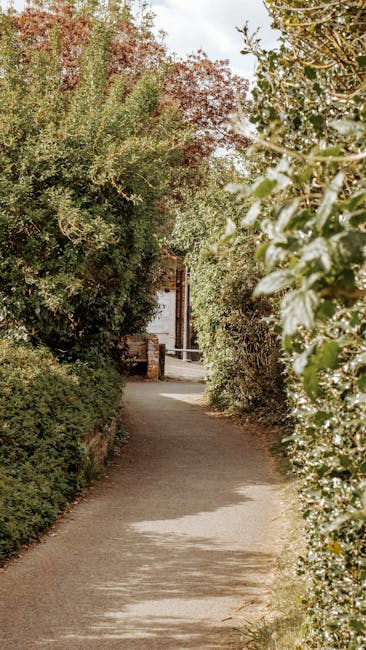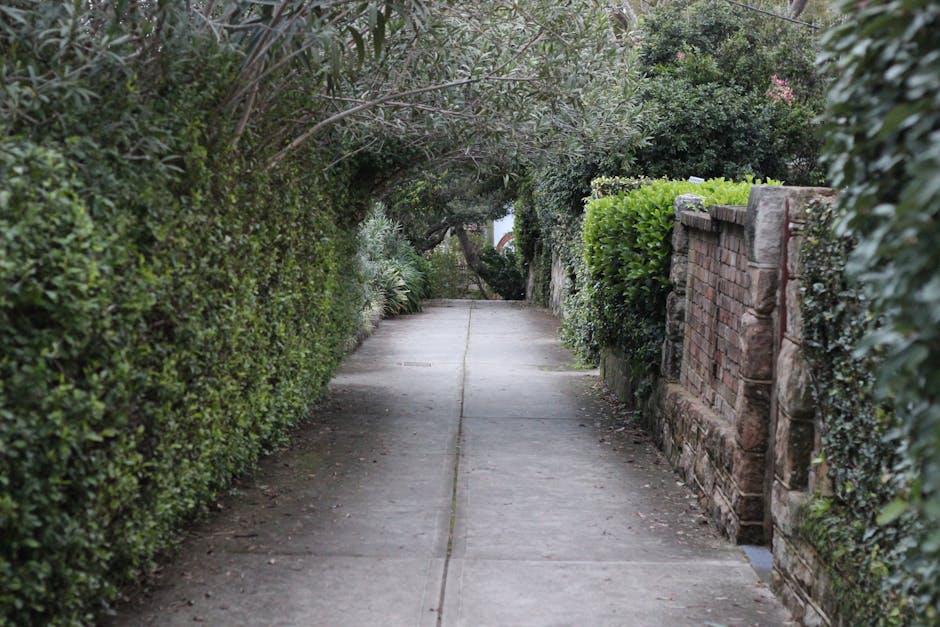
Garden access problems narrow lanes Bellegrove Road gardeners tips: a practical guide for tight spaces and awkward entry
If you have ever tried to bring a mower, hedge trimmer, bags of waste, or a wheelbarrow through a tight side passage, you already know the feeling. One awkward gate, one parked car, one narrow lane, and the whole job slows down. That is exactly why garden access problems narrow lanes Bellegrove Road gardeners tips matter so much: the garden itself may be straightforward, but getting into it can be the real challenge.
On Bellegrove Road and the surrounding residential streets, access can vary a lot from one property to the next. Some gardens have long shared paths, some have slim side entrances, and some only allow entry through the house or a cramped rear gate. In real life, that affects everything from how quickly a team can work to which tools are sensible, how waste is removed, and whether a job stays tidy or becomes a headache. The good news? With a bit of planning, most access issues can be managed without drama. Let's get into the practical stuff.
Why Garden access problems narrow lanes Bellegrove Road gardeners tips Matters
Access is not a side issue. It shapes the whole job. If a gardener cannot get equipment in and green waste out efficiently, the work can take longer, cost more, and leave more room for mess or disruption. Narrow lanes and tight entrances also affect neighbour relations, parking, noise, and how carefully a crew needs to move around the property. That might sound obvious, but it is the bit people often discover too late.
For homes around Bellegrove Road, where streets can be busy and parking can be limited, the garden route matters almost as much as the garden layout itself. A tidy front border is one thing; a 400-metre carry of wet hedge clippings down a cramped path is another. To be fair, even experienced gardeners notice the difference straight away when access is difficult.
There is also the risk of avoidable damage. Heavy tools can scrape walls, trip hazards can appear in dim side passages, and repeated lifting through awkward spaces increases the chance of strain. If access is poor, the right plan protects the property, the worker, and the quality of the finish. That is the practical reason this topic deserves proper attention.
How Garden access problems narrow lanes Bellegrove Road gardeners tips Works
Handling restricted access is mostly about preparation. Good gardeners do not just turn up and hope for the best. They look at the route in, the route out, and the points where problems are likely to happen. That usually means measuring gates, checking width at the narrowest point, noting steps or slopes, and thinking about where equipment and waste will be staged.
In a typical narrow-lane setting, the process works like this:
- Initial access check: confirm gate width, side passage width, turning space, and any low walls, overhanging branches, or tight corners.
- Job planning: decide which tools can realistically fit through the space and what should be left out.
- Arrival timing: choose a time that reduces disruption, avoids rush-hour pressure on the road, and gives room for parking where possible.
- Controlled movement: carry tools in smaller loads, protect surfaces, and avoid dragging waste through the property.
- Waste strategy: use bags, tubs, or staged collection points so debris does not pile up in the walkway.
- Finish and clean-down: remove all material carefully, check for missed debris, and leave access points as they were found or better.
That sounds simple, and sometimes it is. But in practice, the difference between a smooth visit and a frustrating one often comes down to tiny details: a latch that only opens part way, a shed door that blocks the route, or a bin left in exactly the wrong place. One little obstruction can change the day. Truth be told, that is just how these jobs go.
For larger projects, access planning may also affect whether a crew recommends lighter equipment, smaller machinery, or a phased approach. In gardens with very limited entry, a full-scale clearance may be broken into sections rather than tackled all at once. That is not overcautious; it is simply the sensible way to work.
Key Benefits and Practical Advantages
When access is planned properly, the benefits show up quickly. The job is usually cleaner, faster, and less stressful. You also get better results because the gardener can focus on the work rather than wrestling with the route in and out.
- Less disruption: fewer repeated trips through the house or narrow passageway.
- Reduced risk of damage: lower chance of scuffed walls, broken pots, or scratched paving.
- Better time use: a realistic access plan keeps the visit efficient.
- Cleaner finish: waste is managed properly instead of being squeezed through the garden at the last minute.
- Safer working conditions: less lifting in awkward spaces and fewer trip hazards.
- More accurate pricing: a gardener can quote more sensibly when access is understood upfront.
There is another advantage people do not always think about. When access is known in advance, the work can be matched to the right tools. That means less guesswork and fewer "we'll make it fit" decisions, which, let's face it, is rarely a good plan in a tight lane.
Expert summary: the best access plan is the one that reduces handling, protects the property, and keeps the job realistic from start to finish. If a gardener can enter, work, and leave without creating a trail of hassle, everyone wins.
Who This Is For and When It Makes Sense
This guidance is useful for a few different people. If you are a homeowner on or near Bellegrove Road with a narrow side access, it helps you understand what to expect before booking work. If you are arranging garden maintenance for a rental property, it helps you set realistic expectations with tenants or contractors. And if you are a gardener yourself, it gives you a cleaner way to plan visits and avoid the kind of access surprises that eat into the day.
It makes particular sense if any of the following apply:
- the only access is through a narrow side passage
- the garden backs onto a lane with limited parking
- large waste loads need to be removed regularly
- there are steps, slopes, or tight corners along the route
- the job involves hedge cutting, clearance, turf work, or repeated tool movement
- you have a shared driveway or neighbour access to think about
Not every garden needs the same level of planning. A small courtyard with easy front access may be simple enough. But once the route becomes awkward, even routine maintenance benefits from a more deliberate approach. People often assume the garden work itself is the hard part. Sometimes the hard part is just getting the mower to the grass.
Step-by-Step Guidance
If you want a practical way to handle access issues, use this step-by-step approach. It works well for most residential gardens with narrow entry points and is especially helpful where the lane or passage feels tight enough to make you hold your breath.
1. Measure the access route
Measure the gate opening, the narrowest section of the path, and any corners where equipment must be turned. Do not guess. A few centimetres can matter more than people expect. If a machine barely fits, it often does not really fit at all once hands, handles, and a bit of angle are involved.
2. Clear the route before the work starts
Move bins, bicycles, plant pots, children's toys, and any loose materials that might get in the way. If possible, unlock gates early and make sure the route is visible in daylight. A damp, shaded passage at 8 a.m. can feel tighter than it looked yesterday evening. Oddly enough, that is when people suddenly notice the hanging basket they forgot about.
3. Match the tools to the site
Choose lighter, more manageable tools where access is poor. Compact equipment, folding tools, and smaller waste containers can make a big difference. If the job needs heavier machinery, think carefully about whether it can be brought in safely or whether the work should be adapted.
4. Plan waste removal early
Waste is often the part people underestimate. Cuttings, branches, soil, and old materials need somewhere to go. For narrow-lane sites, staged bagging or smaller collection loads can be far easier than trying to move one huge pile at the end. If there is a lot of organic waste, a dedicated service such as garden clearance may be more suitable than a standard maintenance visit.
5. Protect the property on the route
Lay down temporary protection where needed, especially on delicate paving, painted edges, or indoor thresholds if you are entering through the house. Good gardeners also avoid leaning tools against fragile walls or leaving cut branches in places where they can snag on railings or scratching surfaces.
6. Work in a sensible order
Start with the most awkward sections first, before tiredness or clutter builds up. That usually means clearing the route, then cutting back obstructions, then moving into the main garden work. Once the access becomes open, the rest of the job is much easier. Simple, but effective.
7. Finish with a proper exit plan
Do not leave waste or tools near the gate while the final clean-up is happening. Make the exit smooth. That last few minutes matters more than people think, because it is when a tidy job can still become untidy if debris is left in the wrong place.
Expert Tips for Better Results
Experienced gardeners tend to make access work look easy, but there is usually a lot of judgement behind it. A few small habits can save a surprising amount of time.
- Use smaller loads more often: fewer overloaded bags means less strain and fewer jams in the passage.
- Check route width at the top and bottom: some gates swing wider than expected, while the path narrows halfway along.
- Work from the access point inward: it keeps the exit route clear as the job progresses.
- Keep a "clean lane" rule: nothing should sit where feet, wheels, or waste bags need to pass.
- Think about noise and timing: on busy residential streets, a considerate start time helps avoid friction with neighbours.
- Choose pruning and cutting methods that reduce bulk: smaller sections are easier to move than one big tangle of branches.
One small but useful habit is to ask a simple question before the job starts: "Where will the mess go?" If the answer is vague, the day is likely to get messy. If the answer is clear, the work usually flows better. That question alone prevents a fair few headaches.
If the access route is especially awkward, it may be worth combining tasks into one visit rather than making multiple trips. For example, a maintenance visit paired with hedge work can sometimes be more efficient than splitting them up. On the other hand, if the lane or passage is already congested, splitting work can be the smarter call. It depends on the site, not on habit.
Common Mistakes to Avoid
Most access problems become worse because of a few predictable mistakes. The good news is that they are all avoidable once you know what to look for.
- Assuming access is "fine" without checking: what looks passable from the street may be awkward in practice.
- Bringing too much equipment: more kit does not always mean better service. Sometimes it means more clutter.
- Ignoring waste volume: a hedge cut can produce far more material than expected.
- Blocking the route during the job: a mid-job pile in the narrowest section slows everything down.
- Overlooking neighbour impact: narrow lanes often sit close to other homes, so noise and movement matter.
- Skipping protective measures: a scratch on a gate or wall can turn a decent visit into an awkward conversation.
Another common issue is underestimating how long hand-carrying takes. A job might be small on paper, yet the access makes it feel much bigger. That is not a failure. It is just reality. The mistake is pretending otherwise.
Tools, Resources and Recommendations
The right tools can make narrow access much easier to manage. You do not necessarily need specialist kit for every job, but the equipment should suit the route and the scale of the work.
| Tool or approach | Best for | Why it helps | Possible limitation |
|---|---|---|---|
| Lightweight hand tools | Small maintenance jobs | Easy to carry through tight access | Slower for large projects |
| Compact waste bags or tubs | Hedge cuttings and light clearance | Reduces bulk and spill risk | Needs more trips |
| Foldable or modular equipment | Restricted side passages | Better manoeuvrability in narrow routes | May not suit every task |
| Ground protection covers | Delicate paving or indoor thresholds | Helps prevent marks and scuffs | Adds setup time |
| Phased work plan | Large or awkward gardens | Keeps access open while work continues | May take longer overall |
For ongoing upkeep, a service such as garden maintenance is often easier to manage than occasional big clear-ups, especially when the route is tight and regular waste movement is part of the routine. If the garden is overgrown or crowded with old growth, a more substantial intervention may be needed first, then maintenance after that. That rhythm tends to work best.
If you are improving the space itself, it can also help to think about access as part of the garden design. In some cases, simple changes such as better path layout, smarter storage placement, or reduced clutter can make future visits easier. Services like landscape gardening may be relevant where access and layout need to be considered together, not separately.
Law, Compliance, Standards and Best Practice
Garden access work can touch on safety, neighbour relations, waste handling, and property boundaries, so a sensible approach matters. You do not need to overcomplicate it, but you should be mindful of the basics.
In the UK, gardeners and contractors are generally expected to work safely, protect property, and avoid creating unnecessary hazards. If tools, ladders, or waste are carried through narrow shared spaces, the route should be kept as clear as reasonably possible. If a job involves trees, hedge work, or other more technical tasks, extra care may be needed around overhead hazards and falling material. A professional team should also carry suitable insurance and take a practical view of safety on-site. That is standard good practice, not a fancy add-on.
Waste should be handled responsibly too. Green waste should not be dumped in communal areas, and anything that needs removal should be bagged or loaded in a way that avoids spillages. If a property sits on a narrow lane with limited parking, teams should be considerate about where vehicles stop and how long they remain in place. It sounds obvious, but it saves arguments.
If access involves going through shared land or close to neighbouring property, it is wise to be clear about permission, routes, and timing. And if there is any doubt about practical safety, it is better to slow down or adapt the plan than push ahead and hope. That is usually how small issues become annoying ones.
For general reassurance, a provider's own policies on safety, insurance, and responsible working are worth reviewing. You can also look at relevant internal policy pages such as health and safety guidance and insurance and safety information if you want to understand how a professional service approaches risk.
Options, Methods, or Comparison Table
There is no single best way to handle access problems. The right method depends on the width of the route, the amount of work, and how often the garden needs attention. Here is a practical comparison.
| Approach | Best suited to | Pros | Cons |
|---|---|---|---|
| Full-service visit with standard equipment | Easy or moderate access | Efficient, quick, straightforward | May be too much kit for tight passages |
| Compact-tool approach | Narrow lanes and slim side entrances | Flexible, safer through restricted routes | Can take longer on bigger jobs |
| Phased clearance | Overgrown gardens with poor access | Reduces clutter and improves control | Requires more planning and possibly more visits |
| Regular maintenance schedule | Gardens that need frequent light work | Keeps waste low and access easy | Needs consistency |
| One-off major tidy-up | Neglected plots or seasonal resets | Big visible improvement | Higher waste volume, more handling, more disruption |
If you are unsure which option fits, think about the main constraint. Is it width? Waste? Parking? Time? Once you identify the real bottleneck, the choice becomes much clearer. That is the bit many people miss. They focus on the garden, but the route is the limiting factor.
Case Study or Real-World Example
Here is a typical scenario. A homeowner near Bellegrove Road has a rear garden accessed only through a narrow side passage. The gate is just wide enough for a person and a slim mower, but not much else. The garden has a hedge that has grown out over the path, a few old planters stacked near the entrance, and a fair amount of cuttings to remove after trimming.
On the first visit, the work is slowed by the path clutter and the waste volume. The gardener has to stop several times to shift material, and the clean-up takes longer than expected. Nothing disastrous, but it is fiddly. On the next visit, the homeowner clears the route in advance, the gardener brings lighter bags, and the hedge is cut in sections rather than all at once. The result is calmer, quicker, and cleaner.
The key lesson is simple: the garden did not change much, but the access plan did. That changed the whole experience. It is a small thing, really. Yet it makes a big difference when the lane is narrow and every extra trip counts. You can almost hear the relief when the final bag makes it out without snagging on the gate.
If the property needs more than routine maintenance, combining access planning with wider garden improvements can help. For example, a small redesign, edging adjustment, or path rethink can improve flow in future visits. In some cases, a broader service such as landscaping may be the best way to fix the underlying layout rather than repeatedly working around it.
Practical Checklist
Use this checklist before arranging work in a garden with narrow lane access or a tight entry point.
- Measure the narrowest point of the route
- Check gate width and how far it opens
- Identify steps, slopes, and slippery sections
- Clear bins, pots, bikes, and loose items from the way
- Confirm where tools and waste will be placed during the job
- Decide whether compact equipment is needed
- Plan how green waste will be bagged or carried out
- Consider neighbour parking and road congestion
- Protect delicate paving, walls, or thresholds
- Schedule the visit at a practical time of day
- Make sure the route remains usable throughout the work
- Leave the access point clean and uncluttered at the end
Quick takeaway: if the access route is tidy, measured, and planned, the garden work usually becomes much easier. If the route is chaotic, the whole visit tends to feel that way too. Simple, but true.
Conclusion
Garden access problems around narrow lanes and tight passages do not have to turn garden care into a headache. With realistic planning, the right tools, and a bit of local common sense, you can keep the work safe, efficient, and far less disruptive. That is especially important on or near Bellegrove Road, where space, parking, and neighbour awareness all play a part in how smoothly a job runs.
The main idea is easy enough: do not treat access as an afterthought. Measure it, clear it, and plan for it. That one habit improves everything else. Whether you are arranging regular maintenance, a one-off clearance, or a bigger garden refresh, the route in and out deserves proper attention. And once you get that right, the rest usually falls into place.
If you are weighing up your next garden visit, start with the access route first and the tools second. It saves time, avoids stress, and makes the whole job feel a lot more manageable. And honestly, that is the kind of small win that makes a busy day much easier to live with.
Get a free quote today and see how much you can save.
Frequently Asked Questions
What should I measure before booking garden work with narrow access?
Measure the gate opening, the narrowest part of the route, and any corners where equipment needs to turn. Also note steps, slopes, and anything fixed in place, like bins or railings. It saves a lot of back-and-forth later.
Can a gardener still work if the side passage is very tight?
Usually, yes, but the job may need lighter equipment, smaller waste loads, or a phased approach. If the route is extremely restricted, the work may need to be adapted rather than forced through as usual.
Is it better to clear the route before the gardener arrives?
Definitely. Moving pots, bikes, bins, and loose items before arrival makes a big difference. It helps the work start cleanly and reduces the chance of damage or delays.
What if garden waste is too much for a narrow lane?
The waste may need to be bagged in smaller amounts, carried out in stages, or handled as part of a clearance-focused visit. If the volume is significant, a dedicated clearance plan is usually the smarter option.
Do narrow access issues make garden services more expensive?
They can, because restricted access usually takes more time and handling. That said, the cost impact depends on the property, the size of the job, and how difficult the route is in practice.
How can I make future visits easier?
Keep the route clear, reduce clutter near gates, and consider whether small layout changes could improve movement. Regular maintenance also helps because it keeps waste volume and overgrowth under control.
What tools work best in narrow garden access areas?
Lightweight hand tools, compact waste bags, and foldable or modular equipment are often the most practical. The best choice depends on the job, but smaller and easier-to-carry tools usually work better in tight spaces.
Should I worry about neighbours when access is via a narrow lane?
It is sensible to be considerate, yes. Keep noise reasonable, avoid blocking shared routes, and plan parking carefully where possible. In close residential areas, small courtesies go a long way.
Is it okay for a gardener to enter through the house?
Sometimes it is the only realistic option, but it should be agreed in advance and handled carefully. Protective measures, clean footwear, and clear communication matter a lot if indoor access is involved.
What kind of garden jobs are most affected by access problems?
Hedge trimming, clearance work, tree-related tasks, and jobs that produce a lot of waste are often the most affected. Routine mowing can also be tricky if the mower or route is too narrow.
How do I know whether I need garden maintenance or a one-off clearance?
If the garden is mostly manageable but needs regular care, maintenance is usually the better fit. If the space is overgrown, cluttered, or full of old material, a clearance visit first may be more practical.
Where can I find more about related garden services?
You can look at wider service information such as services overview, or explore related support for cutting back growth with hedge trimming and wider outdoor upkeep through lawn mowing. If you need a bit more depth on how a local provider works, the about us page can help too.
For a final bit of reassurance: awkward access is annoying, yes, but it is rarely impossible. Once the plan is right, the garden becomes a lot less of a battle and a lot more of a project you can actually enjoy again.